
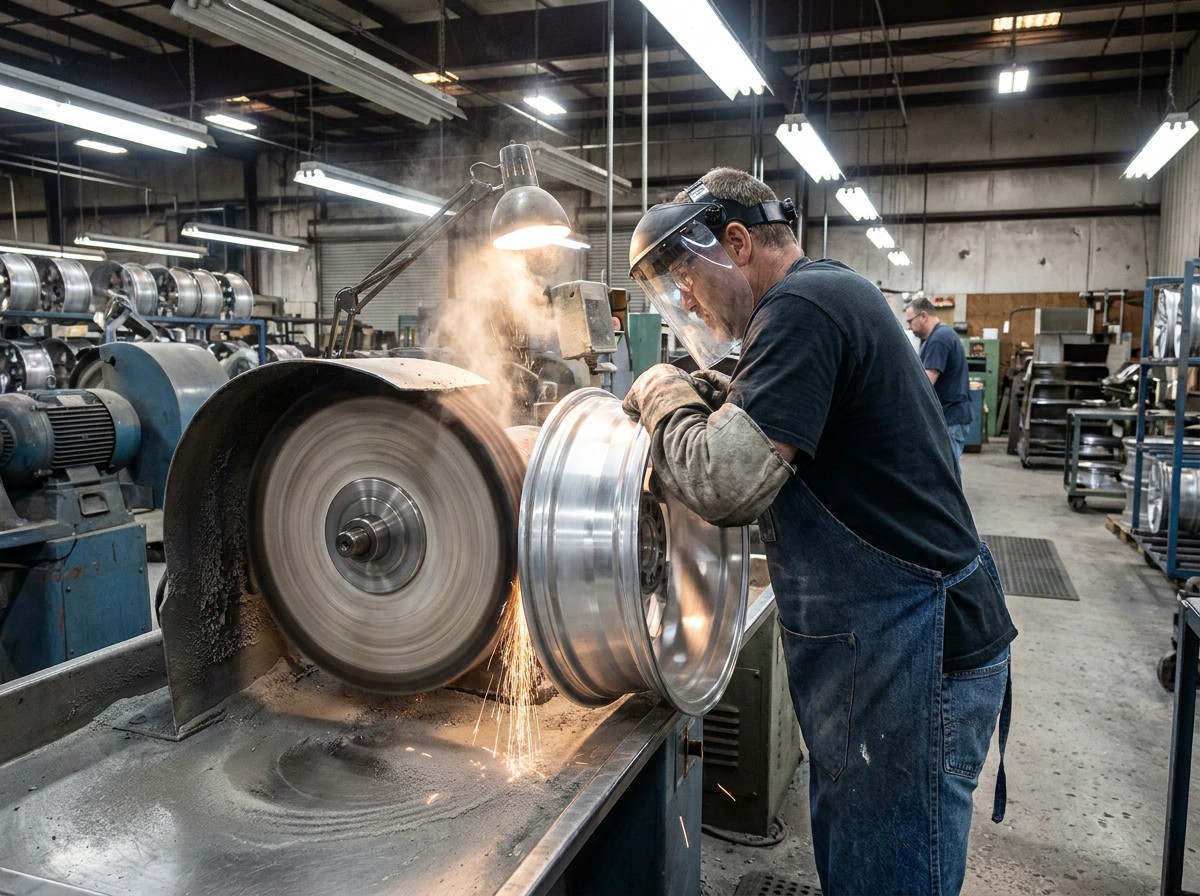
The mirror shine on a premium alloy wheel doesn’t happen in a detailing bay — it happens on a factory floor, between the CNC machines and the coating booth. Polishing is where a machined casting becomes a premium product, and where production economics are won or lost.
Factory polishing is a different discipline from automotive detailing. The goal isn’t a one-off show finish; it’s identical surface quality, wheel after wheel, at a predictable cost per piece. That changes everything: how the process is staged, how wheels are chosen, and — critically — how consumables are specified and purchased.
This guide walks through how wheel manufacturers actually run the polishing process, from process design to consumables economics.
Where polishing sits in the manufacturing sequence
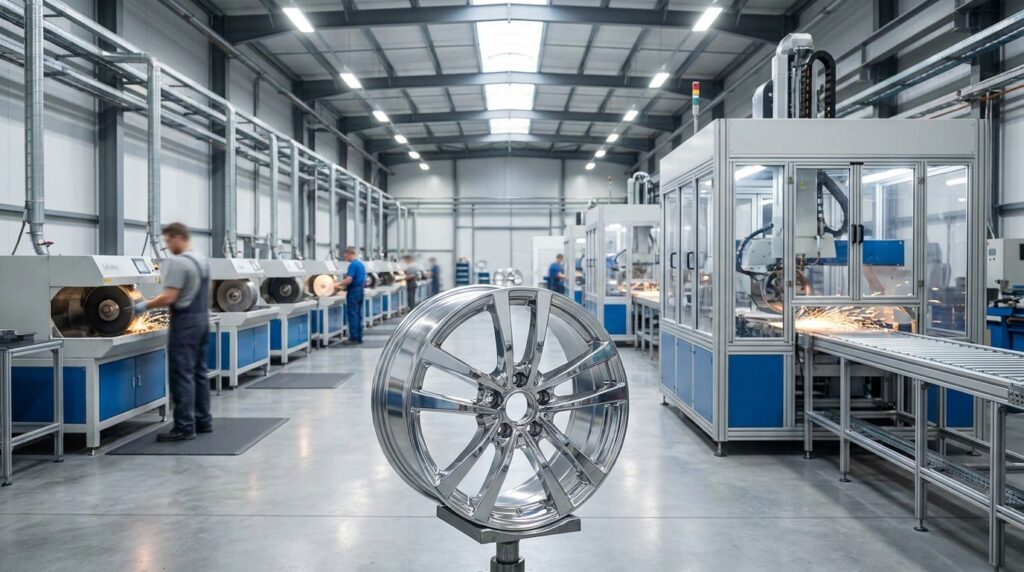
Figure 2: Machined wheels waiting for the polishing process — the roughest surface the line will ever see.
A typical cast or forged alloy wheel moves through:
- Casting / forging → T6 heat treatment → CNC machining → deburring → polishing → surface finishing (clear coat, anodizing, or plating) → final inspection → packing
Polishing arrives after machining, and it exists to do two things:
- Remove machining marks and burrs left by the CNC tools.
- Produce the specified surface — a mirror face, a satin finish, or a clean base for a clear coat or paint.
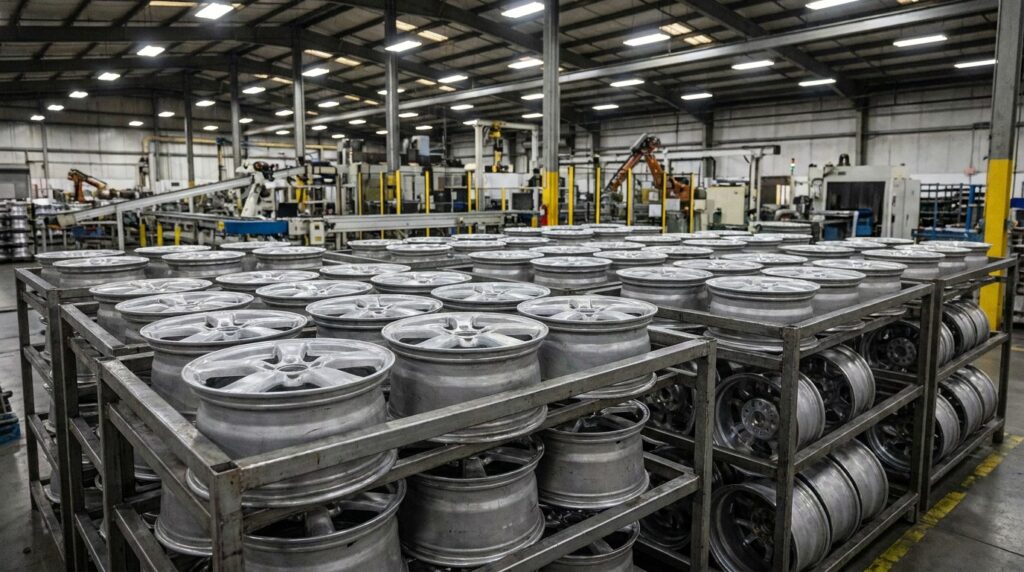
Figure 3: Before polishing — the machined surface still carries tool marks and a dull, uneven tone.
If the polishing step is inconsistent, every downstream stage inherits the problem: a coated wheel hides nothing, and a “mirror” wheel with swirls gets rejected at final inspection.
Three surface programs, three process designs
Not every wheel leaves the line polished. The process is designed around the end surface:
| End surface | Process | Notes |
| Full mirror (bare aluminum) | Cutting → polishing → mirror finishing | Highest process demand; usually clear-coated after polishing |
| Polished + clear coat | Cutting → polishing → coating | Coating hides minor variation; shorter buffing time |
| Satin / brushed / painted | Deburring + light cutting | Non-woven and loose cotton wheels; speed over gloss |
The key decision in process design is where the surface stops being acceptable — which sets how many buffing stages you run and how much labor time each wheel absorbs.
The three-stage buffing process on a production line
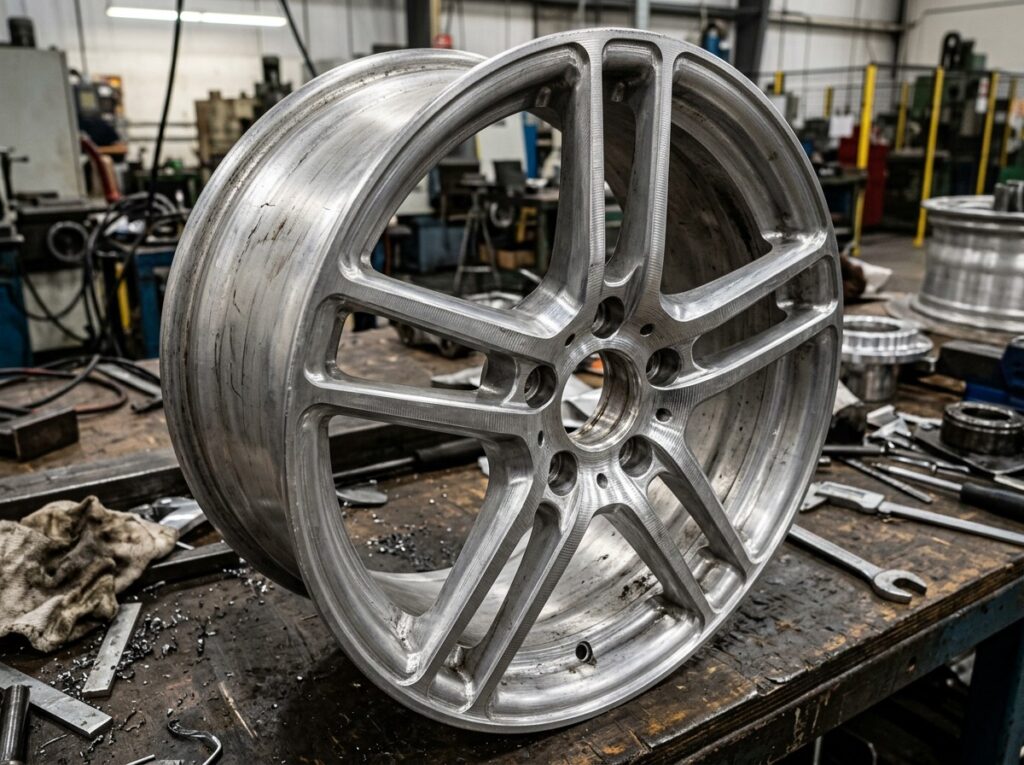
Figure 4: The cutting stage — a sisal or dense cotton wheel removes machining marks in the first pass.
Factory lines run the same three-stage logic as hand polishing, but with tighter parameters and fixed cycle times:
Stage 1 — Cutting : removes machining marks
- Wheel: sisal, or dense tight-sewn cotton. Sisal is preferred for cast A356 aluminum because it cuts fast without loading.
- Compound: coarse cutting bar.
- Line speed: 5,000-7,000 SFM on the wheel face.
- Time per wheel: 60-120 seconds on a bench setup, less on a rotary indexer.
Stage 2 — Polishing : smooths to a uniform tone
- Wheel: medium-density cotton, loose-sewn.
- Compound: medium polishing bar.
- Line speed: 4,500-5,500 SFM.
Stage 3 — Mirror finishing: the final gloss
- Wheel: soft wool wheel.
- Compound: fine finishing bar.
- Line speed: 3,500-4,500 SFM — aluminum burns fast, and a burned wheel becomes a rejected wheel.
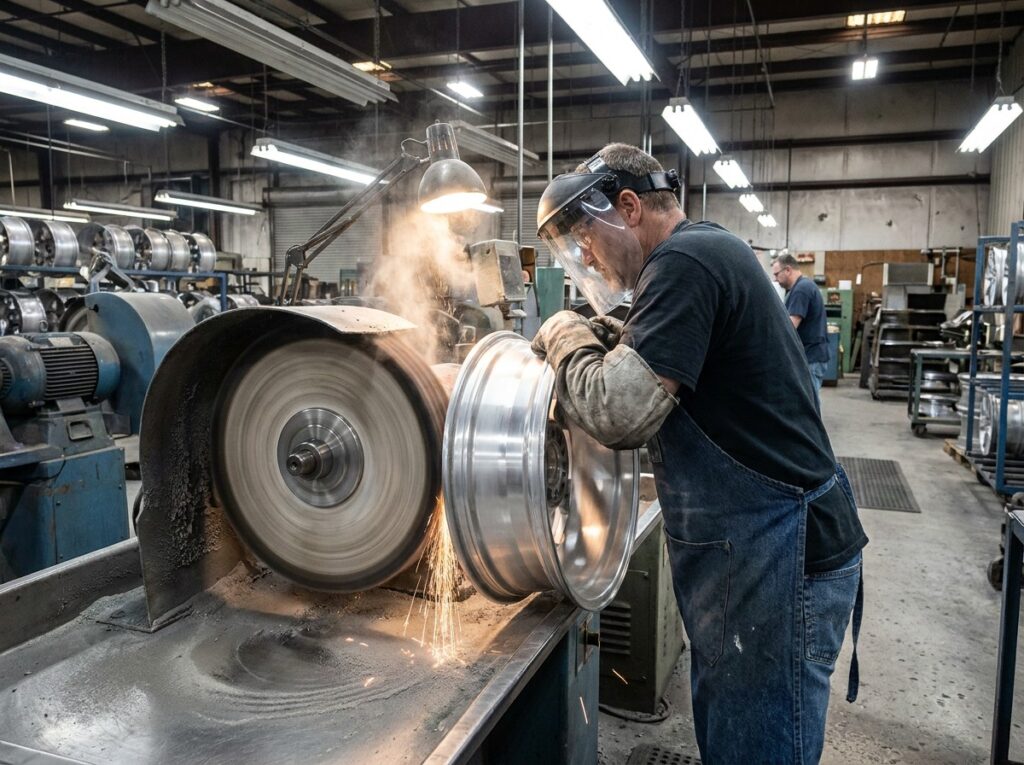
Figure 5: The finishing pass — a wool wheel produces the mirror that customers photograph and resellers show.
On manual or semi-automatic lines, the operator moves the wheel through three stations. On automated lines, the same three stages run as three stations (or three robot programs) with fixed dwell times.
Automation: robotic polishing cells
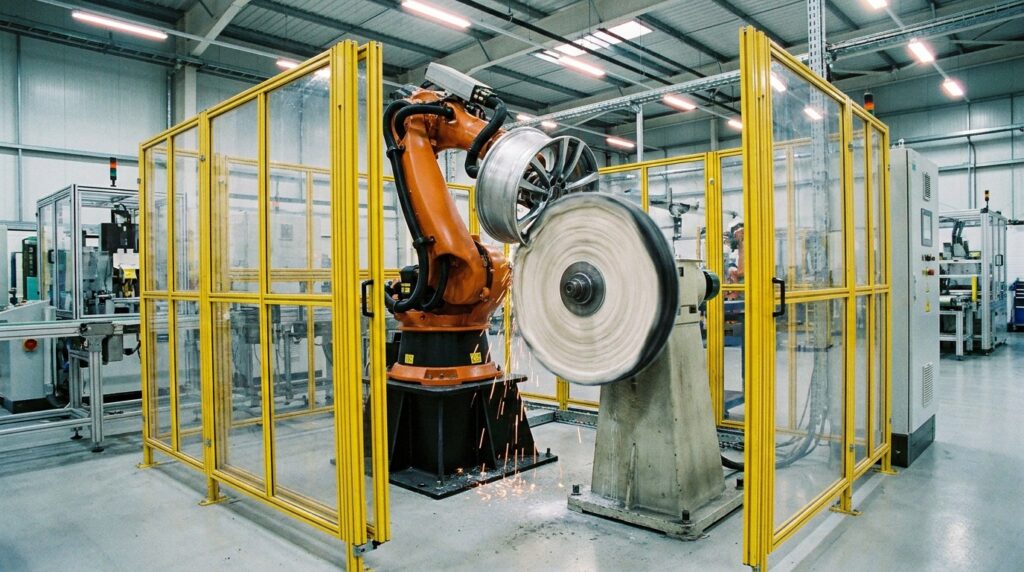
Figure 6: Robotic polishing — repeatable surface quality at a predictable cycle time.
More wheel plants are moving the polishing stage to robotic cells. The reasons are consistent:
- Repeatability: the same contact force, speed, and path on every wheel.
- Labor: one operator oversees several cells instead of standing at each bench.
- Data: force and cycle data make consumables consumption predictable.
Robotics change one thing suppliers must watch: consumables consistency becomes a production variable. If a wheel batch runs soft or a compound bar runs dry mid-shift, a robot can’t compensate by feel the way an operator does. That’s why plants on robotic lines buy on batch-to-batch consistency, not on price alone.
Consumables are where the economics live
The polishing stage’s cost per wheel is dominated by three consumables:
- Buffing wheels — worn by surface contact and replaced on a schedule or by diameter loss.
- Compounds — consumed continuously; dosing (bar touch time or liquid pump setting) directly controls cost.
- Non-woven and backup wheels — for deburring and wheel conditioning.
Two numbers matter for cost control:
- Wheel life: measured in wheels polished per buff. A sisal wheel cutting cast aluminum might last 100-300 wheels before dressing or replacement.
- Compound cost per wheel: typically a few cents per wheel when dosing is controlled — and several times that when operators over-apply.
Plants that track these two numbers negotiate consumables differently. They ask suppliers for:
- Consistency data — density, hardness, and stitch parameters within tolerance, batch after batch.
- Dressing guidance — how often to rake/dress the wheel to extend life.
- Liquid compound compatibility — for automated dosing on robotic lines.
QC and the defects that send wheels back
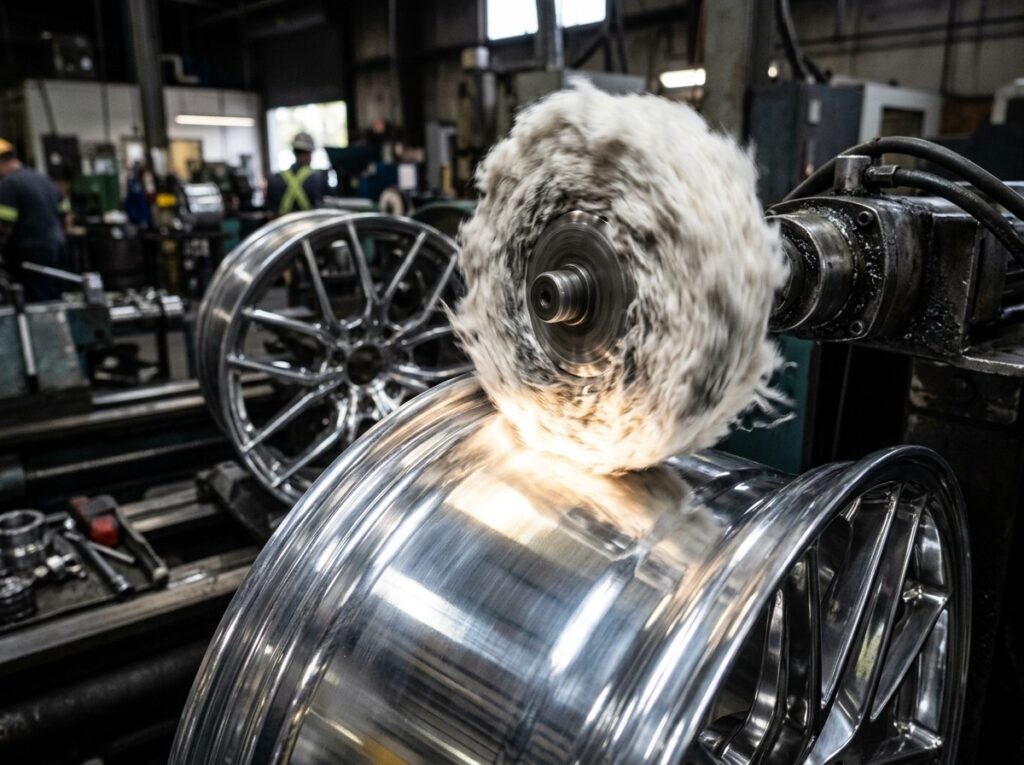
Figure 7: Final inspection under directional light — the standard test for mirror quality.
Final inspection uses a directional light source: any swirl, haze, or burn shows instantly. The defects that fail wheels, and their usual causes:
| Defect | Cause | Fix |
| Swirl marks | Skipping the polishing stage; worn-out wheel | Keep the three-stage sequence; replace wheels on schedule |
| Burning / discoloration | Line speed too high on aluminum | Cut SFM, especially on the wool pass |
| Orange peel / haze | Wrong compound grade; loaded wheel | Match compound to stage; dress the wheel |
| Missed areas | Complex spoke geometry; wrong flexibility | Bias-cut or pleated wheels for contours; robot path review |
Defect rate on the polishing stage is the single fastest way to see whether consumables are specified correctly — a line that goes from 5% rejection to 0.5% on a wheel change is paying for the better wheel in saved rework.
For wheel plants buying polishing consumables
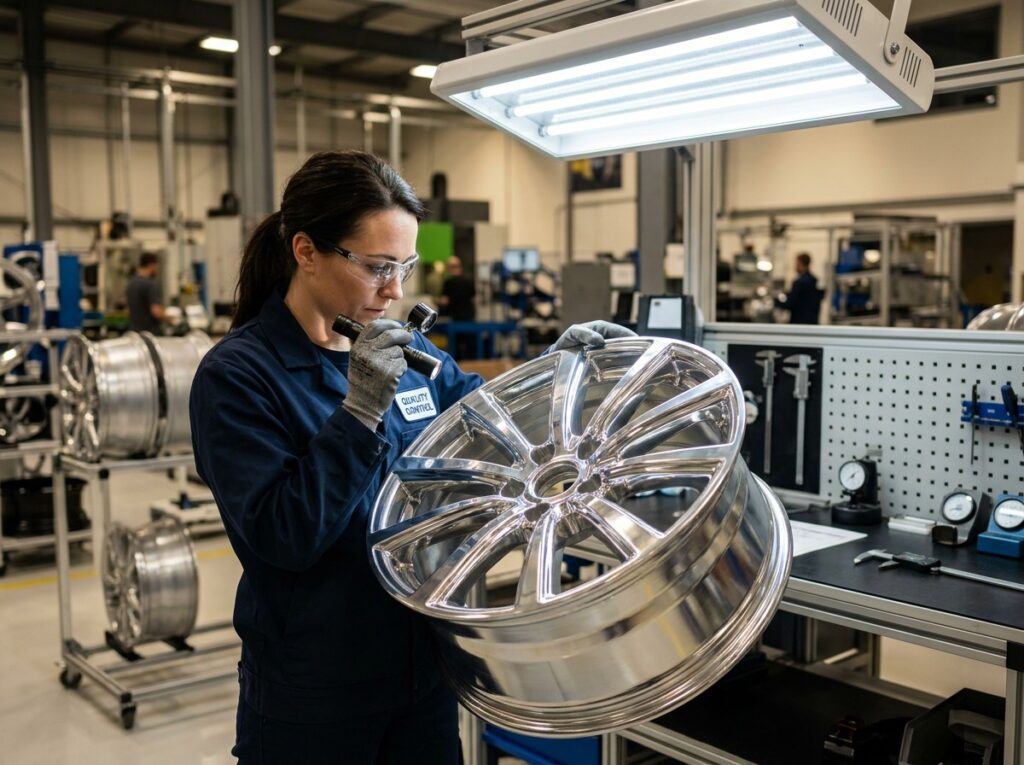
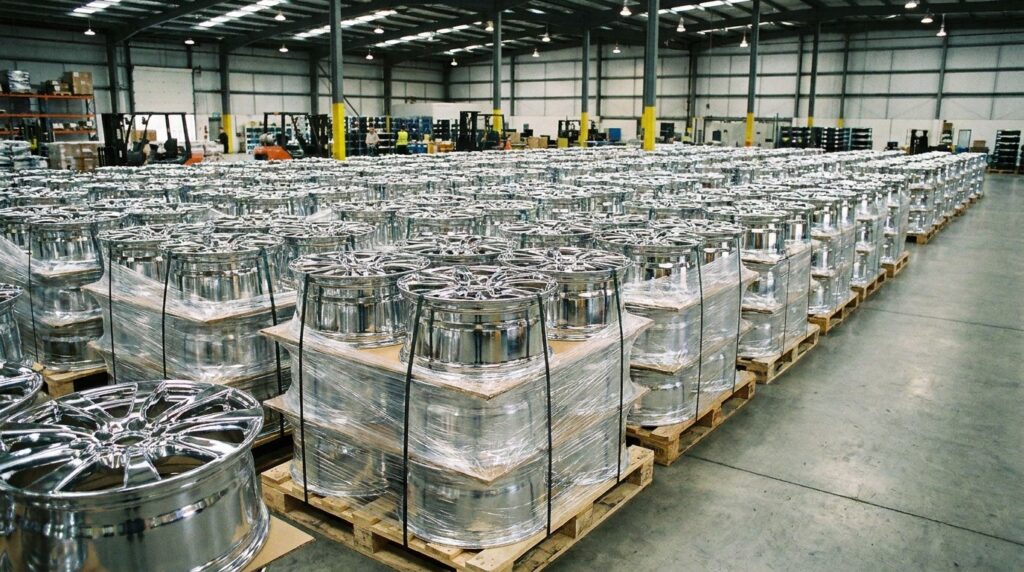
Figure 8: The output — consistent mirror finishes, by the pallet.
We manufacture buffing wheels and compounds for metal finishing, used on wheel polishing lines for cast and forged aluminum: sisal and cotton wheels for cutting, medium cotton for polishing, wool for mirror finishing, plus non-woven wheels for deburring — in diameters from 4″ to 24″, with density and stitching held to tight batch-to-batch tolerance for both manual and robotic lines.
Browse our buffing wheel range, download the wheel and compound selection chart, or request a free sample kit and run a trial on your line — we’ll help you match wheels, compounds, and dressing schedules to your cycle times.
FAQ
Q1: Why do some wheels need a clear coat after polishing?
Bare polished aluminum oxidizes within weeks in humid or salted environments. A clear coat locks in the mirror without visible surface haze — most “mirror” OEM wheels are clear-coated after polishing.
Q2: How long does a buffing wheel last on a wheel production line?
On cast aluminum cutting duty, a sisal wheel typically polishes 100-300 wheels before dressing or replacement. Cotton and wool wheels last longer on finishing duty. Track it per line — it’s the fastest cost lever you have.
Q3: Can a robot produce the same finish as an experienced operator?
Yes, with better repeatability — but only if consumables stay consistent. A robot can’t compensate for a soft batch or a glazed wheel, so batch-to-batch wheel consistency is a precondition for robotic polishing.
Q4: What’s the fastest way to reduce polishing defect rate?
Audit the three-stage sequence first: skipped stages, worn wheels, and wrong compound grades cause the majority of swirls and burns. Fixing those usually beats buying a more expensive wheel.
Q5: Do you supply consumables for automated dosing systems?
Yes — we supply liquid compounds matched to robotic and automatic dosing lines, with stable viscosity batch to batch. Request a sample kit.